Reserved Tears

4 posts
User avatar
Gender None specified
Points 890
Reviews 73
Curled on a garden chair overlooking
Morning Glories shriveled by an overcast dusk
thinking of a boy who belongs to her past
and the small back corner of her heart.
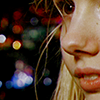
Light summer rain starts to fall leaving
wisps of water across her laugh lines
and an illusion of tears.
But she’d never cry when remembering him
because her mother commanded
tears be reserved exclusively for regrets.


comments/suggestions?


User avatar
Gender Female
Points 6090
Reviews 1258
I thought this was pretty good. Kind of short, but that was OK for what this was. Very original, and...kind of...strange. But strange in a good way lol.

My only thing- morning glories shouldn't be capitalized. Unless you're trying to put some sort of emphasis on it, but if you are, it's not really working.
Graffiti is the most passionate form of literature there is.

- Demetri Martin


User avatar
Gender None specified
Points 890
Reviews 73
my thought behind that captalization is because it's a name of the flower. so i figured it would be more obvious it's a specific thing as opposed to some kinda of weird symbolic device or something. so i'm not sure if it should be captalized or not. i'd like to hear more people's opinion on the matter.


User avatar
Gender None specified
Points 890
Reviews 145
I like this a lot! Not much to say about it though; it's written pretty well. The idea is pretty good too.

Light summer rain starts to fall leaving
wisps of water across her laugh lines
and an illusion of tears.
But she’d never cry when remembering him
because her mother commanded
tears be reserved exclusively for regrets.


Love those lines, they just go together and flow so nicely!

Overall, very good poem. However, I agree with Sam in saying that "morning glories" should be uncapitalized, though I don't know enough about flowers to know for sure what the real answer is.
"A poet in love is best encouraged in both capacities or neither." ~ Jane Austen, Emma.


We know what we are, but know not what we may be.
— William Shakespeare