
Harry Romtalsky was very bored. He sat on his green, scratched and fading bus stop, staring glumly at the passing stream of motorists. His roughened fingers plucked idly at the peeling paint of the bench, meticulous in their work.
He had been coming to the bus stop for fifteen years now. The evidence of his presence was clear; one half of the bench was completely bare, save for one piece of graffito he hadn't the heart to remove. It was on the other side, still mainly green, but covered in the multi-hued artworks of youth, that he sat.
The woollen jacket he wore was stifling in the heat. It was far too small and made him itch. The grey trouser pants reached up to his calves, exposing pale limbs to the sun. He had long since outgrown them. He bit his lip worriedly, when was his ride coming? He had to leave. His large, hairy hands anxiously spread out over the bench, luxuriating in the smooth, cool touch of wood. The prickle of the picture, an inconsistency he detested and gloried in all at once.
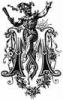
It was a small man, but wings flared out from the back. He seemed to be grinning and glaring at the same time; Harry could never decide which. The Bird-Man fascinated him though, always managing to excite him in some fashion, as if there was something he was forgetting. Smiling, he bounced his feet in anticipation. They would come soon, he was sure. In the meantime, he waved absently at the passers-by, the drivers, the children and friendly creatures that often sat by him.
Suddenly, there was a screech as tyres skid desperately across smooth road. There was a thud of impact, then silence. Car doors slammed, a voice was heard cursing, and the driver kicked the dead animal across the road. It landed in the gutter before the bus stop. Harry reached forward and petted the animal. It appeared to be asleep.
"Good puppy," he crooned. "Nice doggie."
Eventually, he knew, it would wake up. The idea that something could cease to exist, indefinetly, was alien to him. He lived in the constant, in the now, and he couldn't escape. He knew only the shine of the sun, the feel of the bench, the kiss of night. In the blank slate of his mind, there was only one imperative: wait at the stop. Every morning he got up, dressed, and came to the same place. Every time, he would rejoice in the sun, the rain, or cloudy day and stare in wonder at the bench.
He often imagined that he was completing the work of thousands before him, by steadily picking at the paint. Blue eyes that rarely rested, darting to and fro, stared resolutely ahead. It never occurred to him, that he was too late, that the scheduled pick up never occurred.
He had forgotten death.
It was 1784. And the ride wasn't coming.